The pioneer and leading manufacturer of automated gaging solutions for precision measurements of cylindrical and eccentric shafts and other components.
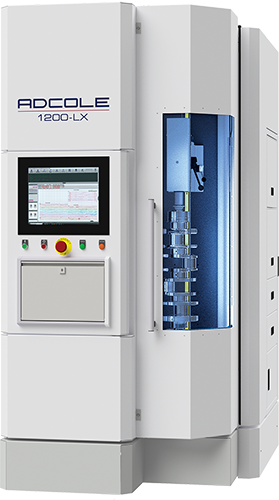
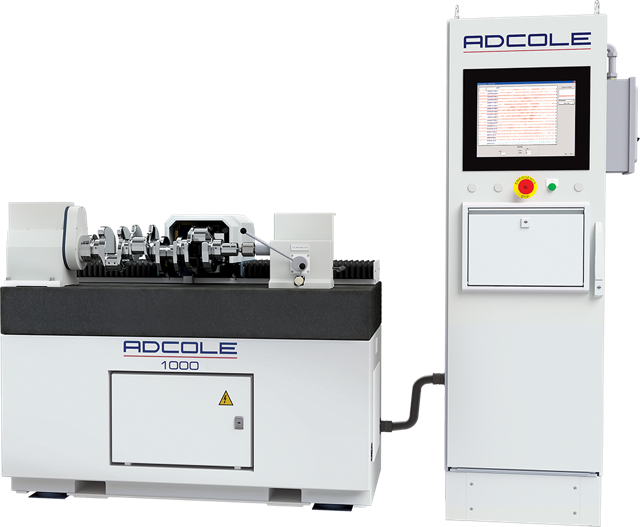
High-Precision Gages for measuring geometric dimensioning and tolerancing parameters of shaft components for internal combustion engines, electric vehicle motors, transmissions, and more.
Get real-time measurment data of the features of your precision shafts with Adcole metrology gages designed specifically for high-throughput environments and fast cycle times.
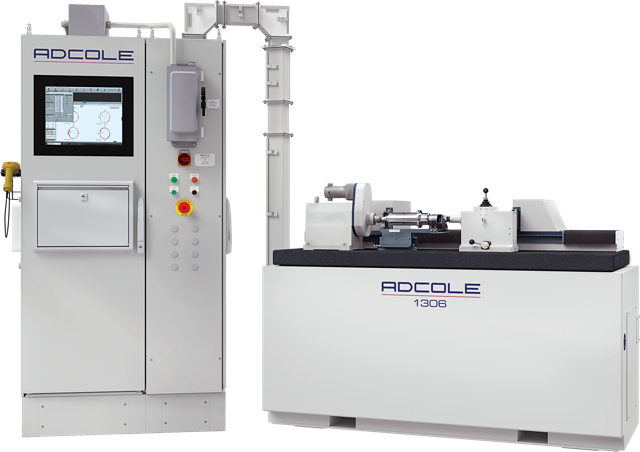
For more comprehensive measurement where fast cycle times are not required, Adcole’s Audit Gages are the perfect choice for either the measurement room or directly on the shop floor.
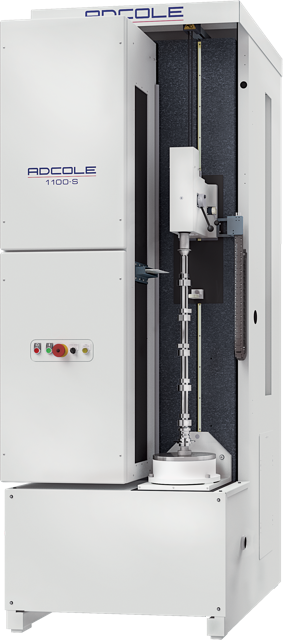
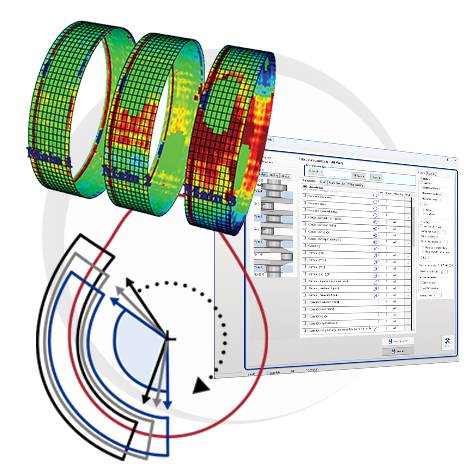
Adcole offers Surface Roughness Measurement Gages and analysis software which reports surface roughness on camshafts, crankshafts, transmission, EV rotor, and many other cylindrical or near-cylindrical parts.
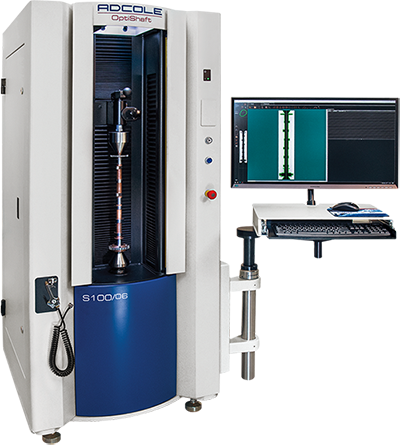
Adcole OptiShaft systems are precision optical shaft measuring gages designed for fast measurement on shop floor environments with advanced telecentric optics and powerful software.
These tools often include features for tracking defects, analyzing performance metrics, and generating detailed reports. By providing insights into areas for improvement, Adcole gage software helps your organization maintain the highest standards and continuously enhance your products.
Tell us about your application, your parameters, and your quality goals – then let Adcole guide you to a gaging solution that will not just meet but exceed your expectations. Contact us today!
Adcole is the pioneer of automated gaging solutions for precision measurements of cylindrical and eccentric shafts and other components, setting the standard for accuracy, reliability, and durability since 1968. Today, leading automotive, industrial, and technology manufacturers around the world use Adcole Gages to meet the most demanding requirements of the latest generation of high-performance mechanics.
Our expert staff of engineers is here to assist you
Ensuring the success of our global customers with knowledgeable and responsive support is our first priority. That’s why leading organizations and corporations around the world rely upon Adcole to deliver and maintain the highest quality products with trusted accuracy. Adcole also offer comprehensive training for the use an maintenance of your equipment at your location, our factory, or any of our global offices around the world.
A CCMM is a coordinate measuring machine that precisely measures, through a probe or optical scan, common GD&T parameters of the physical geometric characteristics, specifically of cylindrical parts.
How does Adcole achieve accuracy levels down to ¼ of a micron?
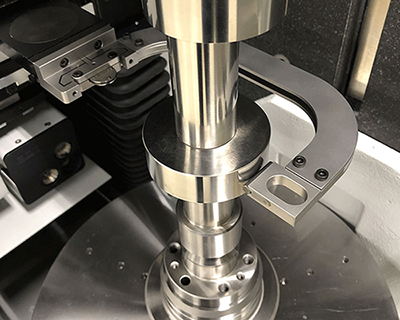
Our radial accuracy is largely derived from superior spindle runout performance. The rest comes from the accuracy of the devices used to track the position of the follower arm, whether glass scale or laser interferometry. This, combined with Adcole’s proprietary software that interprets the physical actions of the follower and handles the complex data and detects any deviation from the norm. Note, that only the 1200 series machines offer radial accuracy of ±0.25µm.
What’s the difference between accuracy and precision?
Not always the same but can be equally important. Accuracy is how close to the bullseye we want to land while precision is how often we land in the same place. In the world of shaft metrology, this is better described as the attempted tolerance (bullseye) we are trying to reach and continuing to reach that measurement over and over again, or the repeatability of our gages, that you know that the data you are receiving is trusted.
Does Adcole only supply tactile gages?
In addition to the well-known tactile gage models from Adcole, we also supply a line of optical gages (OptiShaft) which offer high-precision non-contact measurements of rotating components.